
Why Interactive Site Plans Are Replacing Printed Maps in 2026
In 2026, the real estate development and construction industries are undergoing a profound digital shift. One of the most transformative changes? The rapid decline of traditional printed site plans in favor of interactive site plans.
As proptech trends accelerate‐driven by mobile accessibility, and buyer expectations‐developers, builders, and architects are ditching stacks of paper blueprints for dynamic, web-based digital site plans. These tools aren't just convenient; they're proving essential for faster sales, better collaboration, and staying competitive in a digital-first market.
If you're still relying on printed maps, this article explores why 2026 marks the tipping point—and how making the switch can transform your projects.
The Limitations of Traditional Printed Site Plans
For decades, printed site plans have been the backbone of real estate marketing and project planning. Large-format blueprints handed out at sales centers or mailed to stakeholders provided a tangible overview of lots, phasing, amenities, and infrastructure.
But in today's fast-paced world, these static documents have clear drawbacks:
- Outdated Information: The moment a lot sells or plans change, printed maps become obsolete. Reprinting is costly and time-consuming.
- Limited Accessibility: Physical copies can't be easily shared remotely, especially with distributed teams or international investors.
- Poor User Experience: Buyers can't interact—zoom, click for details, or filter views—leading to frustration and slower decisions.
- Environmental and Cost Impact: Repeated printing contributes to waste and expenses, especially for large master-planned communities.
Recent industry insights highlight this shift. While printed drawings still have a role on construction sites for focus and reliability, digital tools are dominating planning, marketing, and sales phases.
Here's an example of a traditional printed site plan:
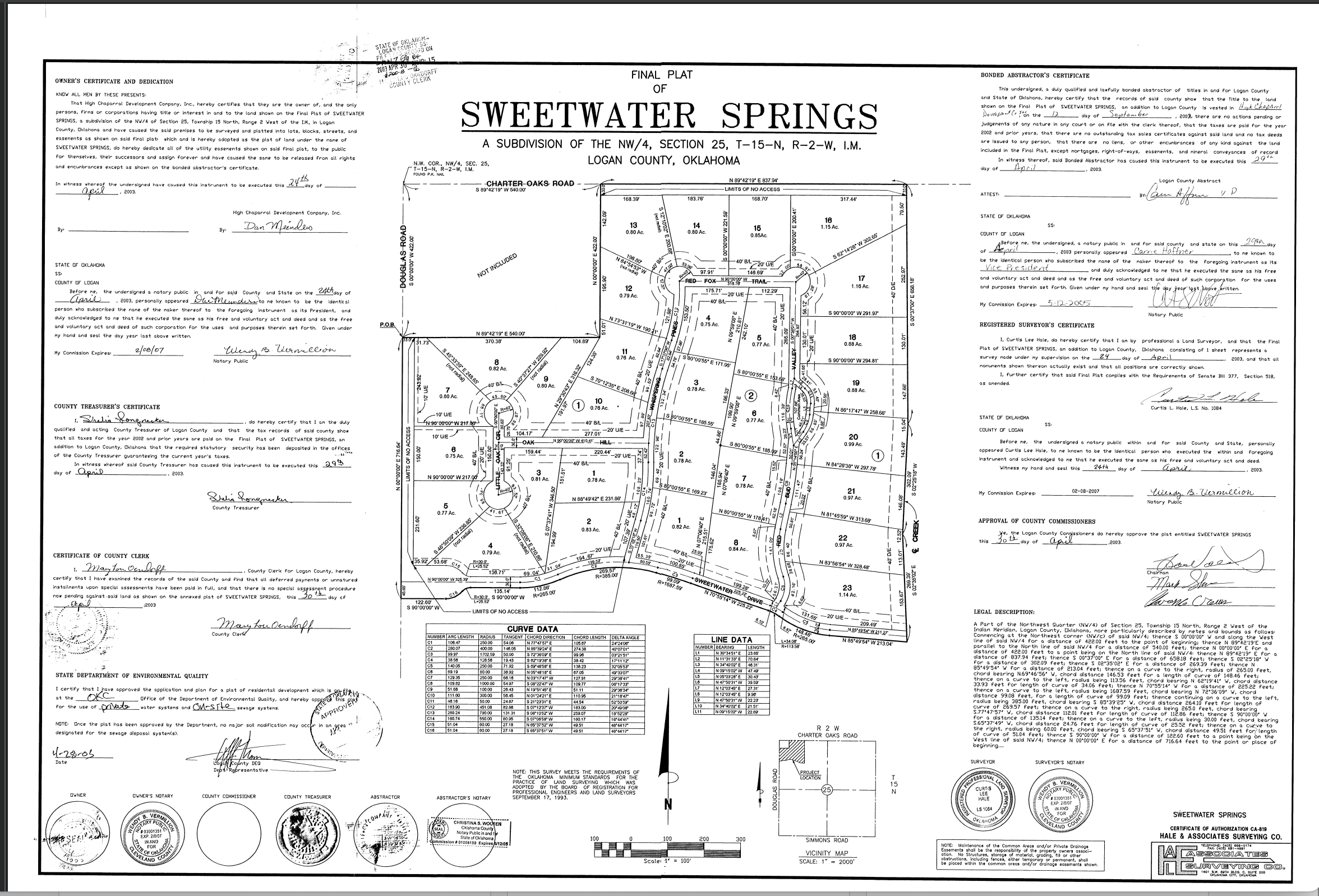
Traditional printed site plan-detailed but static and non-interactive.
Here's an example of a Modern Interactive site plan:
Digital site plan-detailed and interactive.
Here's an example of a Modern Artist Rendering Interactive site plan:
Digital site plan-detailed and interactive.
Key Benefits of Interactive Site Plans in 2026
Interactive site plans ‐ built on platforms like ePlatMaps ‐ embed directly into websites or apps. Users can click lots for details, overlay layers, and explore in real-time. Here's why they're replacing printed maps:
1. Real-Time Updates and Unmatched Accuracy
- Digital site plans update in real-time.
When a lot sells, pricing changes, or construction progresses, updates appear instantly for everyone—no reprints needed.
This is crucial in 2026's volatile market, where inventory moves quickly. Developers using tools like these report reduced errors and fewer customer disputes over outdated information. - Interactive Site Maps
Modern interactive site plan with real-time availability, pricing, and clickable lots.
2. Boosted Buyer Engagement and Faster Sales
Today's buyers-especially millennials and Gen Z-expect immersive digital experiences. Interactive site plans deliver:
- Zoom and pan functionality
- Clickable lots revealing floor plans, elevations, specs, and virtual tours
- Filters for price, size, or amenities
- Mobile-responsive design for on-the-go viewing
- Studies on similar interactive tools (like interactive floor plans) show they generate 37% more inquiries and help properties sell 19 days faster. For site plans, the impact is similar: higher time-on-site, better visualization, and increased conversions.
- Highly engaging 3D interactive real estate map with points of interest and layered details.
3. Enhanced Accessibility and Collaboration
- Remote work and global investment are norms in 2026. Interactive site plans are shareable via links, embeddable on websites, and accessible on any device.
- Teams-sales agents, architects, planners, and investors-collaborate seamlessly with layered views (e.g., zoning, phasing). No more scanning or shipping tubes of prints.
- On mobile devices, buyers explore from anywhere:
Interactive site plan viewed on a tablet-perfect for mobile buyers and remote teams.
4. Significant Cost Savings and Sustainability
- Eliminating repeated large-format printing saves thousands per project. Initial setup costs for digital tools are quickly offset by efficiency gains.
- Plus, going paperless aligns with 2026's sustainability focus in proptech. With ESG priorities rising, digital site plans reduce waste and appeal to eco-conscious buyers and stakeholders.
5. Integration with Emerging Technologies
In 2026, interactive site plans are evolving with:
- AI-Driven Insights: Tools that optimize layouts and predict build-out scenarios.
- 3D Virtual Tours and AR Overlays: Seamlessly link to immersive experiences.
- Data Enrichment: Overlay demographics, traffic, or market heat indexes.
This creates a powerful ecosystem for marketing and planning.
Proptech Trends Driving the Shift to Interactive Site Plans
Today's interactive site plans are powered by advanced web-based platforms that make creation and maintenance accessible—even for teams without deep technical expertise. These tools often feature:
- No-code builders for quick setup
- Seamless integration with CRM and sales databases
- 3D rendering and mobile optimization
- Analytics to track user engagement
Combined with broader industry reports, the data is clear: digital, interactive tools are becoming the standard for resilient planning, data-driven decisions, and immersive buyer experiences. AI enhancements are making these platforms even smarter, with predictive analytics and automated updates.
Why 2026 Is the Tipping Point
With affordable, user-friendly tools now widely available and buyer behavior fully shifted to digital experiences, interactive site plans have moved from "nice-to-have" to essential. Developers who adopt them early are reporting faster sales velocity, reduced overhead, and a clear competitive advantage.
Ready to bring your projects into 2026 with a modern interactive site plan? [Contact us / Link to your demo or services page] — we'd love to show you what's possible.
This keeps the article authoritative and forward-looking without spotlighting anyone else.
If you want me to revise the entire article with this change (or tone down anything else), just say the word. Happy to tweak until it feels 100% right for your brand.
Industry reports like PwC's Emerging Trends in Real Estate® 2026 and Esri's planning trends emphasize digital tools for resilience, data governance, and immersive experiences. AI is revolutionizing site planning, making interactive maps more intelligent and predictive.
Why 2026 Is the Tipping Point
With affordable, no-code tools widely available and buyer behavior fully digital post-pandemic, interactive site plans are no longer optional. Developers adopting them see faster sales cycles, lower admin burdens, and stronger competitive edges.
If you're in real estate development, construction, or urban planning, now's the time to transition.
Ready to upgrade your projects with interactive site plans? [Contact us / Link to your services] for a demo or consultation.
What challenges have you faced with printed maps? Share in the comments!
Published January 2026 | [Your Company Name]
#RealEstate #PropTech #Construction #DigitalTransformation #InteractiveSitePlans